



Maximizing Sustainability: The Environmental Edge of Tin Containers in Green Packaging Solutions
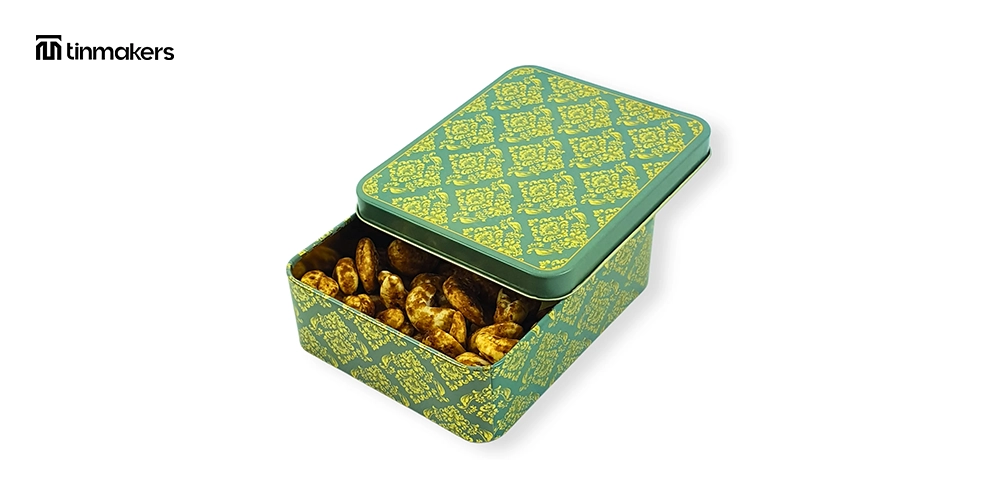
In comparison with other packaging materials, such as plastics and glass, tin packaging has proven to be a great sustainable packaging solution. Consumers' demands for sustainable packaging solutions have led brands to use green packaging solutions that conserve natural resources and reduce waste.
Green packaging solutions aim to be environmentally friendly at every step, from materials sourcing to disposal at the end of their useful lives. The recycling ability of tin containers makes them a good choice in this field. They help create a closed-loop approach where metals stay in use instead of ending up in landfills. Consequently, reusability is promoted, reducing the environmental impact of the packaging.
For information on the benefits of tin packaging as a green packaging solution, read this article till the last.
As of 2024, the sustainable packaging market was valued at over 270 billion dollars. With the current growth rate, it is expected to reach over 490 billion dollars by 2034. [Source: Statista]
What Are Green Packaging Solutions? (Briefly Explained)
Eco-friendly or green packaging solutions focus on implementing environment-friendly practices and materials to minimize the impact of packaging on the environment. Their goal is to promote materials that can be reused and recycled. Moreover, these solutions focus on cutting harmful emissions and reducing trash to secure the environment.
Some brands maintain a sustainable supply chain, which tracks each step of production to ensure there is minimal waste. It often results in low-carbon-footprint packaging that aligns well with circular economy initiatives, where items loop back into the production cycle instead of being tossed away.
Environment-friendly packaging solutions also include renewable packaging materials, easy-to-recycle metals, or biodegradable alternatives that reduce strain on landfills. It incorporates practices such as using the right-sized packaging and using less packaging.
Within this larger picture of eco-friendly packaging, tin containers stand out due to their high recycling rates. Their ability to form a closed loop, along with their durability, makes them a strong choice for brands looking to reduce their carbon footprint while also meeting consumer needs.
The 5 Environmental Advantages of Metal Tin Containers As A Green Packaging Solution
Metal tin containers have gained a lot of popularity due to their durable nature and sustainable packaging material. They provide a balance of strength, recyclability, and resource conservation that helps brands meet eco-friendly standards.
Because tin can be melted down multiple times without losing quality, it fits nicely into waste reduction strategies and circular economy goals. From sealing in food freshness to lowering carbon emissions, food tin containers play a remarkable role in addressing consumer and environmental concerns.
Here' why tin packaging sustainability offers so many perks and how it assists in solving some global waste problems.
#1 - High Recyclability and Reusability
Tin’s standout benefit is its recyclability. Steel and tin recycling processes have existed for decades, making it simple to collect, sort, and re-melt tin into fresh shapes. It leads to tin recycling benefits like saving energy and lessening the need for new raw materials. Because it’s easy to shape, tin containers can also be reused multiple times at home, which cuts down on single-use packaging. For example, tin containers are often repurposed as storage for small items like screws or spices, reducing the demand for new containers and lowering waste production.
#2 - Durability and Preservation
Metal tin is known for its properties of durability and preservation of products packaged in it. Boxes made from tins protect the products from light, air, and moisture that can spoil the items, especially food products. In addition, these metal containers are more resistant to dents and leaks than their alternatives. Their durability helps keep products fresh and extends shelf life, which is particularly helpful for food items and sensitive goods. Less product spoilage also means less waste, aligning perfectly with waste reduction strategies.
#3 - Low Carbon Footprint
When you choose sustainable tin for your products’ packaging, you’re relatively reducing your carbon footprint on the environment. The reason is only the lightweight nature of tin packaging boxes. This reduces the amount of oil consumed during the transportation of these tins as compared to other packaging materials. As an added benefit, tinplate is infinitely recyclable without compromising its quality. Therefore, it takes less energy consumption (70%-90%) as compared to producing new steel from raw iron ore and coal. As a result of reduced energy consumption, fewer greenhouse gas emissions are generated, mainly carbon dioxide (CO2), from power generation and industrial processes.
#4 - Reduced Landfill Waste
Thousands of tons of packaging waste are disposed of every year in landfills. According to the Supply Chain Solutions Center, approximately 91% of packaging waste is disposed of in landfills and the environment. Tin containers can be kept in use through recycling, which shrinks the garbage stream. Its sustainability is attractive for various businesses that want to show real progress in environmental responsibility and comply with environmental packaging regulations. It is possible to recycle and reuse tin packaging waste instead of dumping it into landfills. In this way, we can promote sustainability.
#5 - Reduced Food Waste
The use of metal containers has been proven to keep foods fresh for a longer period. This cuts down on spoilage, especially for canned vegetables, soups, or other goods that require an airtight barrier. According to an article published by the University of Minnesota, food can be kept safe for upto 1 year to 3 years. Tin packaging forms a protective barrier against contamination and prevents rust. With food waste being a big issue worldwide, tin’s sealing ability supports a more sustainable supply of products, lowering the load on farming and other resources. Consequently, using tin boxes encourages sustainability in the sense that they reduce food waste.
Conclusion
Tin containers offer an advantage in the quest for greener packaging for goods and food items. They allow companies to reduce waste and ensure product quality while combining recyclability, sturdiness, and resource conservation. With tin packaging, carbon footprints are reduced, landfill waste is reduced, and raw materials are conserved.
These containers align well with mindful production cycles as governments tighten regulations and consumers place a high value on eco-friendly products. Proper labeling and good design can help companies raise recycling awareness and guide customers to better recycling practices. Reusability is another benefit of tin. It's more than a trend to include tin containers in a packaging lineup; it's an important step towards environmental sustainability.
Come to Tin Makers now for an affordable and sustainable tin packaging solution for your brand.

Liam George Freeman
Liam George Freeman is a seasoned expert in the packaging industry, with a focus on delivering sharp, in-depth contributions that resonate with readers. His deep understanding of tin packaging and its expansion, the diverse types, and global impact, including its role in NASDAQ markets, makes him a true gem of a writer. Liam brings clarity and authenticity to every piece. When he’s not crafting compelling insights for the writer's desk, he will likely be found strategizing over a chessboard, always up for a thoughtful match.





Copyright © 2026 tinmakers. All rights reserved