



Custom Tin Packaging vs. Other Packaging Products: Which Wins for Your Business?
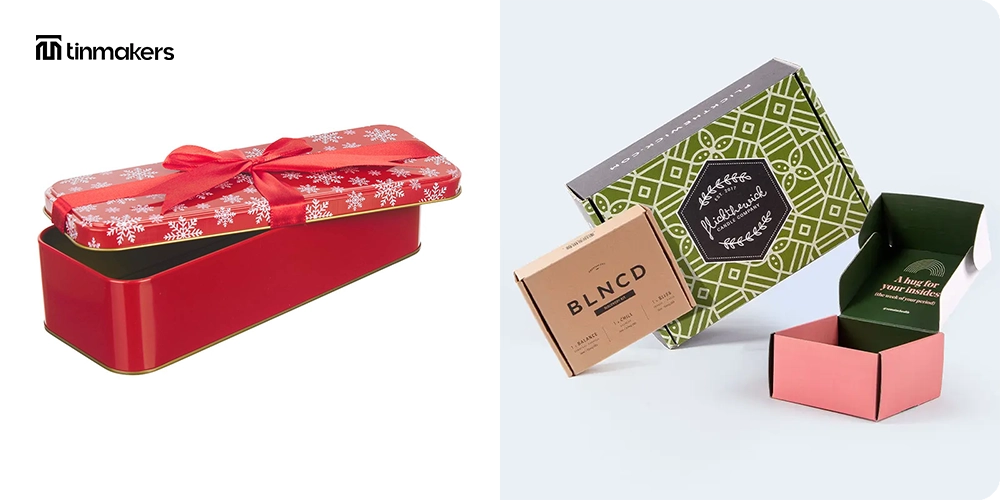
When choosing a container for your products, you might feel overwhelmed. Business owners like you consider cost, sustainability, and how the package looks on the shelf. With eye-catching designs and sturdy protection, custom tin packaging is often the perfect solution to these concerns.
Whether you prefer square tin gift boxes or other modern tin packaging styles, tins can stand out among common choices like plastic, glass, or cardboard. The metal’s natural shine pairs well with logos, colors, and special textures.
I’m writing this blog to answer all your queries about custom tin packaging compared to other packaging materials. By the end, you’ll see why tin could be the right pick for your brand.
What Is Custom Tin Packaging?
Custom tin packaging is a type of tin-plated steel container shaped for specific branding or product needs. Tins, commonly found in classic gift boxes or small square tin gift boxes with lids, serve many industries, including food, cosmetics, and special promotions. Historical records indicate that most of the British Isles' tin was produced between 300 and 200 BCE.
Today, square tins can be customized with different prints, colors, and even raised designs. Many luxury or eco-aware brands favor tin because it protects items and brings a polished feel to the product. According to Towards Packaging, it is expected that the sustainable packaging market will grow from USD 313.73 billion in 2025 to USD 557.65 billion by 2034, a CAGR of 6.6%.
Some Key Features of Custom Tin Packaging
There are many features to choose from in tin packaging. The following table highlights some of the most noteworthy ones.
Feature | Description |
Durability and Strength | Resistant to bumps, corrosion, and everyday wear. |
Customization Options | Various shapes, embossing, debossing, and full-color prints. |
Attractiveness | A shiny metal finish adds to a product’s perceived value. |
Sustainability | Tins can be recycled and reused, cutting down on waste. |
Comparing Custom Tin Packaging Vs. Packaging Options: (Plastics, Glass, Cardboard & Paper)
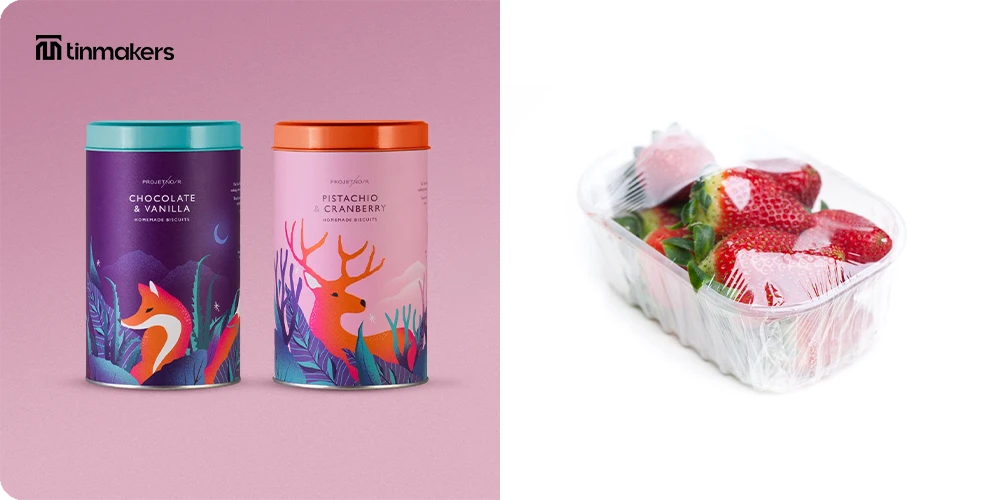
Businesses are choosing custom tin packaging due to its creative designs and maximum protection. The reason is that it is more flexible in size and shape than cardboard or plastic. It means it may have a smaller impact on the environment. I suggest you examine your business needs and priorities to determine which option is best for your business.
Here, I’m going to compare tin with other packaging products one by one.
Tin vs. Plastic Packaging
First of all, I’m going to compare steel tin packaging with plastic packaging. We see that each has its own benefits as well as disadvantages. In comparison to plastic, tin is more resilient and has a longer lifespan.
A normal box made from tin-coated steel is approximately 1400% stronger than this particular plastic in terms of tensile strength. In many cases, tins shelf life can be upto 50 years. It makes it an environment-friendly choice.
Tins can cost between $0.50 and $2, compared to $0.10 to $0.50 for plastic. Although metal is more expensive, it offers a more luxurious feel. Tins are also less likely to break than plastic, which is more likely to crack. Additionally, tins offer a premium packaging solution, whereas plastic packaging is often perceived as cheap.
Key Advantages of Custom Tin Packaging
Longer Shelf Life
Higher Tensile Strength
Less Breakage Risk
Luxurious Feel Provided
Tin vs. Glass Packaging
Weight is another factor to consider when comparing tin packaging with glass packaging. Tins (about 50g) are lighter than glass (around 200g). Consequently, shipping costs are reduced. Transporting glass packaging from one place to another needs special care due to its fragile nature. This helps ensure it does not get damaged. This packaging material is durable and lightweight, making it an excellent choice for premium products.
Tin Key Advantages
Lighter in Weight
Lower Shipping Costs
Less Fragile Material
In 2022, plastic packaging accounted for 16.1 million tonnes of EU waste, second only to paper and cardboard. Only Malta met the 22.5% recycling target. Across Finland, 37.3% of packaging waste was recovered for energy. [Source: EuroStat]
Tin vs. Cardboard and Paper Packaging
Cardboard and paper are unarguably the most popular packaging materials. However, modern tin packaging is more reliable than cardboard and paper packaging. If you’re running a food business and want to preserve the freshness of your food items, nothing can beat food-grade tin packaging in this matter.
When metal tin boxes are air-tightened correctly, they provide better air and moisture resistance. In simple terms, tins are the best choice if you want to give your customers an upscale unboxing experience. Conversely, if you want to give your products a simple and ordinary look, cardboard and paper are the best options.
Key Advantages of Tin Packaging Over Cardboard
Better Moisture Resistance
Preserves Food Freshness
Upscale Unboxing Experience
Making the Decision: Is Custom Tin Packaging Right for You?
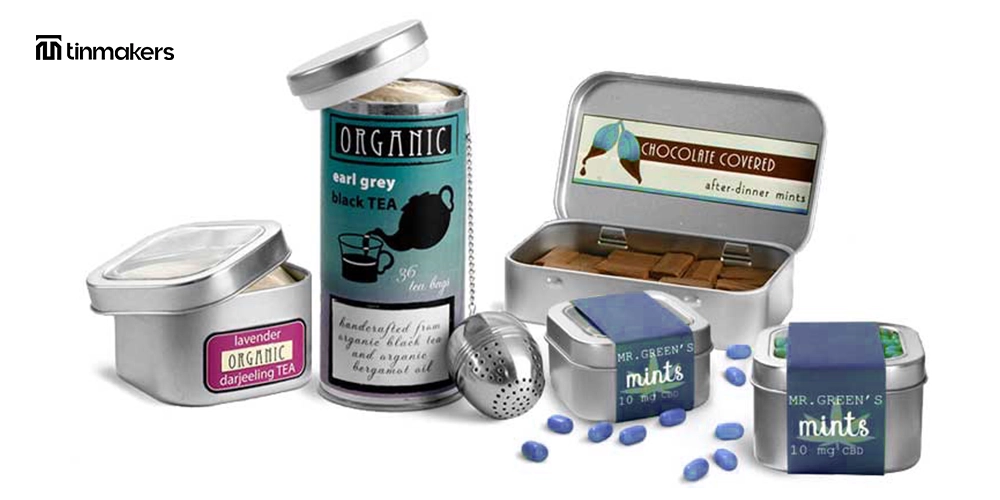
Choosing custom tin packaging for your products can be a turning point for your brand. This is the reason we can’t underestimate this crucial decision.
Tins can be a bit expensive, but they are a worthy investment. They provide a strong packaging solution and a visually striking look for your products. Therefore, ask yourself if you can afford the higher price.
Next, think about whether your product needs extra strength or a high-end feel. Some items benefit from a premium presentation more than others.
Additionally, be sure that tins align with the image you’re trying to create. Perhaps you’re positioning your brand as upscale. Or maybe you’re working to reinforce an environment-friendly reputation. In both cases, tin packaging’s long-lasting and reusability can support those goals.
Over 18,000 metric tons of tin were recycled from scrap in the United States in 2024. [Source: Statista]
Conclusion
Custom tin packaging, like square tin gift boxes, offers reliability and visual appeal. It stands out among plastic, glass, or cardboard options by giving products a more elegant edge while protecting them from breakage or moisture.
Companies that use reusable tin gift boxes benefit from brand recognition and an image of quality. Though tins often cost more and weigh slightly more than cardboard or plastic, they can be reused multiple times and typically end up in recycling rather than landfills. This works well for businesses highlighting environmentally conscious values.
Meanwhile, items needing transparency or a lower price point might stick with plastic or glass. The choice boils down to budget, product type, and consumer expectations. If you’re aiming for a distinct, long-lasting, and green-focused solution, luxury tin packaging might be a good fit.
FAQs
Which material is best for long-lasting packaging (tin, plastic, or glass)?
Tin is a considerable, long-lasting container material. It effortlessly resists denting and shipping shocks, while glass and plastic can fracture. Thus, if you want a sturdy, classy container, tin will fit the bill.
Does custom tin packaging improve brand perception?
Yes. Metal containers often suggest higher quality and status. Shoppers find them more appealing and might reuse tins at home, extending a brand’s presence. This can lead to stronger customer loyalty and a memorable unboxing moment.
How do you design effective tin packaging for retail?
We always strive to design tins that showcase your brand's values and appeal to your target demographic. Our team uses eye-catching designs or raised logos for visibility. We match your brand's message with your color scheme, font, and images.
Are tin containers a good eco-friendly packaging option?
Yes. They are environment-friendly options in terms of recyclability and reusability. Compared to plastic’s low recycling rate, tin offers a greener path. Using thinner gauges or streamlined designs can also help lighten shipping loads and save materials.

Liam George Freeman
Liam George Freeman is a seasoned expert in the packaging industry, with a focus on delivering sharp, in-depth contributions that resonate with readers. His deep understanding of tin packaging and its expansion, the diverse types, and global impact, including its role in NASDAQ markets, makes him a true gem of a writer. Liam brings clarity and authenticity to every piece. When he’s not crafting compelling insights for the writer's desk, he will likely be found strategizing over a chessboard, always up for a thoughtful match.





Copyright © 2026 tinmakers. All rights reserved