



Why Do Beverage Brands Prefer Custom Tin Packaging?
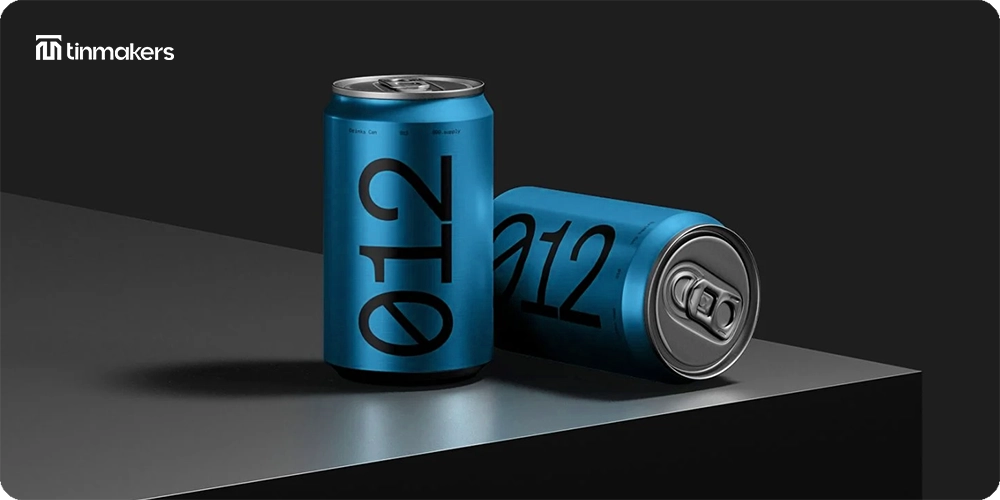
Beverage makers pick custom tin packaging because it protects flavor, keeps out light and oxygen, prints vibrant graphics edge-to-edge, and shows clear eco benefits thanks to its near-infinite recyclability. These strengths improve shelf life, brand visibility, and consumer trust.
If a fizzy soda loses its fizz before it reaches the store shelf, nobody will buy it. The same goes for a craft beer dimmed by light or a vitamin drink degraded by oxygen.
The number-one job of any beverage pack is to keep taste and nutrition locked in until a thirsty shopper twists the cap.
Beverage tin packaging does that job with confidence. Yet freshness is only half of the story.
Modern drink shoppers care about recycling, carbon footprints, and eye-catching design. Metal tins answer every one of those needs in a single body: strong, printable, and recycled again and again without losing strength.
This article breaks down the main reasons beverage brands, from start-ups to global giants, lean on custom tin packaging. You’ll see market data, science-based insights, and practical tips that can help any beverage company decide if metal is the right move.
Read on for the full picture.
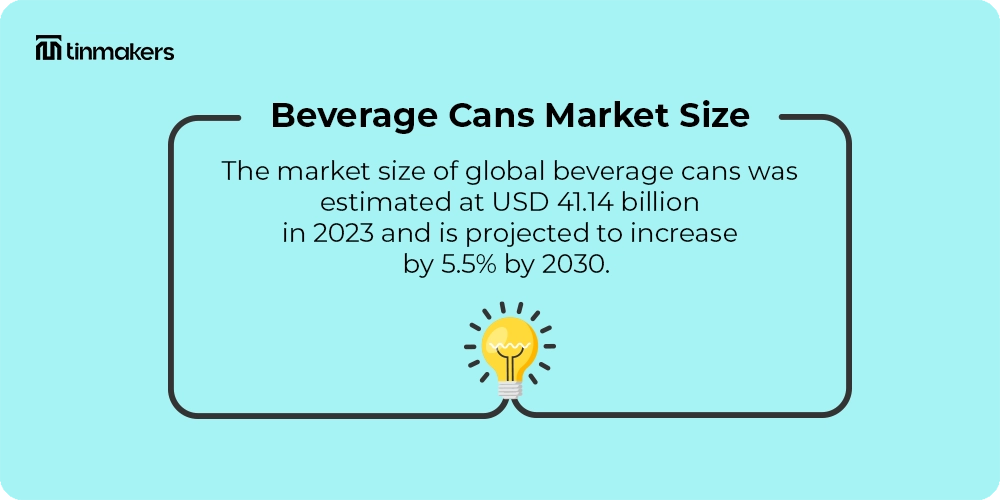 (Source: GrandViewResearch)
1 - Superior Shelf Life Protection Keeps Drinks Fresh
A drink’s flavor dies fast when oxygen, light, or moisture sneak in. Tin-plated steel and aluminum form an almost air-tight wall against those threats. Peer-reviewed studies on food and beverage shelf life rank metal as one of the highest barrier materials available, second only to glass, but without glass’s shatter risk.
When a can is lined with an FDA-approved epoxy or BPA-free alternative, the coating blocks flavor notes from reacting with metal ions. Breweries rely on this to protect hop aromatics that turn bitter when oxidized. Energy drink makers also benefit; taurine and caffeine stay potent longer when stored in low-oxygen interiors.
Heat treatment is another win.
Metal tolerates pasteurization, retort, and even modern high-pressure processing without warping. That means brands can extend “best by” dates without adding preservatives.
Longer freshness does more than please taste buds. It cuts product waste (a cost driver no CFO wants) and supports wider distribution. A drink that stays peak-fresh for nine months can travel by sea freight instead of pricey air cargo, lowering emissions and shipping fees.
2 - Brand Visibility: Printing Freedom on Metal
Custom metal beverage cans are blank billboards ready for bold artwork. Modern offset lithography and UV inkjet systems apply colors that pop under store lighting and resist scuffs during transit. Brands tweak every surface (body, lid, even the pull tab), turning a simple cylinder into a 360-degree story.
Why design teams like tins:
Edge-to-edge graphics: No label seems to interrupt artwork.
Special finishes: Soft-touch varnish, matte-gloss contrast, or spot metallic ink catch the eye.
Quick runs for trends: Digital printing supports batches as low as 5,000 units, ideal for seasonal flavors.
According to retail data, shelf appeal has a strong impact. For e-commerce, metal cans still shine. Reflective metallic highlights stand out in product photos, boosting click-through rates on online shelves.
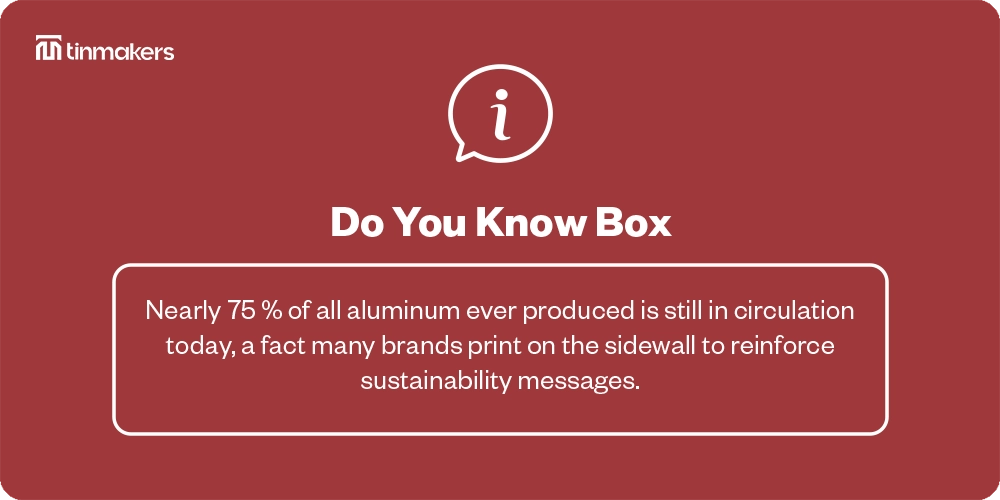 (Source: International Aluminium)
3 - Eco Credentials Win Consumer Trust
Sustainability is no longer a bonus; it’s an entry ticket.
Aluminum and tin plate bring three strong eco-points:
High scrap value
First, metal’s scrap value motivates recycling programs. Unlike plastic, which can cost money to process, used beverage cans fetch about USD 0.02 to 0.03 each in scrap markets. That drives curbside collectors and deposit programs to prioritize metal.
Closed-loop recycling
Second, each melt cycle retains almost 100% material strength. Re-melted aluminum becomes new cans within 60 days, according to the Can Manufacturers Institute. Using recycled feedstock saves up to 95 % of the energy required for virgin metal. That slashes greenhouse gases and helps brands hit Net Zero targets.
Lower plastic pollution
Third, consumers notice. Cans are more likely to be recycled than plastic bottles, which are not reusable or recyclable. Aluminum cans, in particular, reduce plastic pollution by offering reusable and recyclable alternatives to single-use plastic bottles.
Here’s a tip for you:
If you’re starting a new line, then print the recycled content percentage on the can body. Shoppers perceive a higher quality score when eco data is clear and numeric.
4 - Durability and Safety in the Supply Chain
 Beverage logistics is rough. It includes pallets shaking on trucks, containers clanging at ports, and cases dropping from conveyor belts. Beverage tin containers shrug off dents that would burst glass or crease cartons. The rigid wall shields carbonation pressure, up to 90 psi for energy drinks, without adding the internal liners that flexible pouches need.
From a food-safety angle, metal is tamper-evident. A popped tab or bulged lid signals trouble instantly, reducing recall risk. Metal’s conductivity also cools drinks faster in chillers, cutting wait time for consumers and lowering refrigeration energy on retail floors.
Custom shapes, sleek containers, slim 8-oz mixers, or square cans for space-saving micro-markets, fit line automation with minor tooling changes. Those molds cost less than blow-mold PET revisions, giving operations teams flexibility for line extensions or private-label contracts.
Safety extends to consumers at events. Stadiums, airlines, and music festivals ban glass for obvious reasons. Custom metal beverage cans pass security checks while letting sponsors wrap logos across the entire surface. Therefore, they become a branding heaven for big occasions.
5 - Premium Feel Supports Higher Price Points
Using metal packaging for beverages conveys a premium feel that appeals to the senses and is associated with value, quality, and durability. A metal product offers consumers a higher level of quality because of its inherent characteristics: its weight, temperature, sound, and visual sheen.
Think of sparkling water brands that sell for USD 2.00 a can or specialty cold brews at USD 4.00. Many would struggle to command those prices in plain PET. Metal’s weight, hiss, and chill signal quality the moment a consumer lifts the can.
In sensory research, test panels rated the same craft cola as “more refreshing” when served from aluminum than PET, even though the recipe was identical.
For cafés and bars, metal takeaway cans (crowlers) preserve the “fresh draft” vibe far better than growlers. Loyal guests are willing to pay a premium for beer that tastes as if it was poured moments ago.
Luxury also ties back to sustainability: premium shoppers link environmental care with top-tier quality. Nielsen’s Green Gauge study shows that 73% of shoppers prefer metal drinks for environmental reasons. That adds halo value without raising bill-of-materials significantly, especially as recycled-content surcharges on plastic rise.
6 - Versatile Shapes for Limited Editions and Seasonal Runs
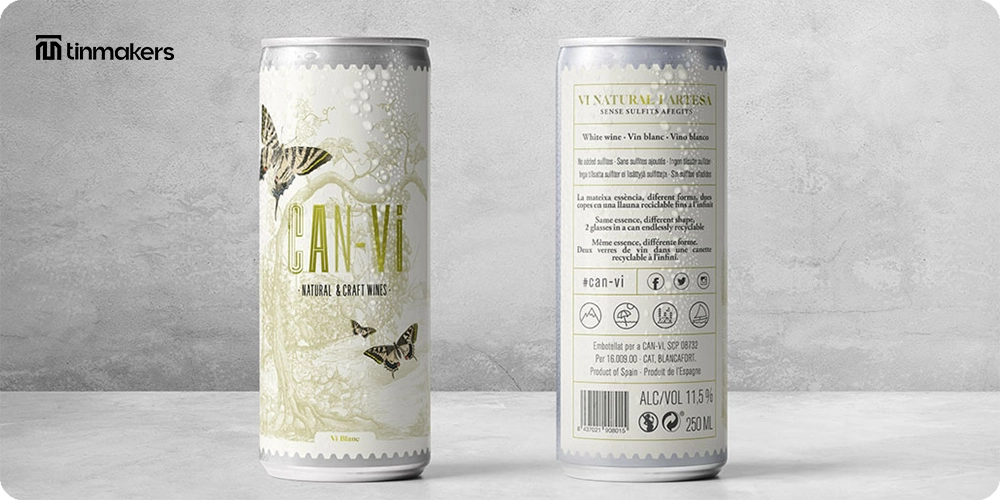 Marketing thrives on freshness. It includes new flavors, holiday labels, and collabs with musicians. Custom tin tooling now uses modular dies, letting brands shift height, neck finish, or emboss pattern in weeks rather than months.
Key advantages
Low minimum order quantities (MOQs): Digital can plants accept runs under 10k, perfect for test markets.
Fast pre-sale mockups: 3-D renders and white-body prototypes arrive in days, helping sales teams pitch retailers.
Collectability factor: Limited tins become memorabilia, driving repeat buys and secondary-market buzz.
From a line-efficiency angle, changeovers are simple. Operators swap lids, adjust fill height, and flash-program new date codes. Compared with flexible pouches (which need different seals, spouts, and barrier films), metal beverage tins save downtime.
Final Thoughts
Freshness, eye-catching design, strong eco-proof, rough-and-ready durability, premium feel, and agile shapes, all of which contribute to a strong case for using custom tin.
Stacked together, they answer the biggest questions any beverage maker asks:
“Will my drink taste great, stand out, and meet green goals without wrecking the budget?”
For many brands, the answer is yes.
Metal isn’t the only packaging on the shelf, but right now, it’s the one ticking the most boxes for flavor, planet, and profit. If your product roadmap calls for longer reach, bolder art, or tighter recycling stories, a custom beverage tin could be your next best move.
FAQs
How long can a beverage stay fresh in a tin can?
Most carbonated drinks stay peak-fresh for 9 to 12 months in a properly lined tin, while pasteurized juices can last up to 18 months. Shelf life depends on acidity, heat treatment, and storage conditions.
Are tin cans BPA-free?
Many can makers now offer BPA-NIA (non-intent) linings using acrylic or polyester. Always ask your beverage cans supplier for a compliance sheet and migration test data to match your recipe.
Do custom tins cost more than PET bottles?
Per-unit, cans can be 2 to 4 cents higher, but savings on freight, reduced breakage, and higher retail price can offset that increase. Recyclability wins also help meet EPR fees.
Can tins be resealed after opening?
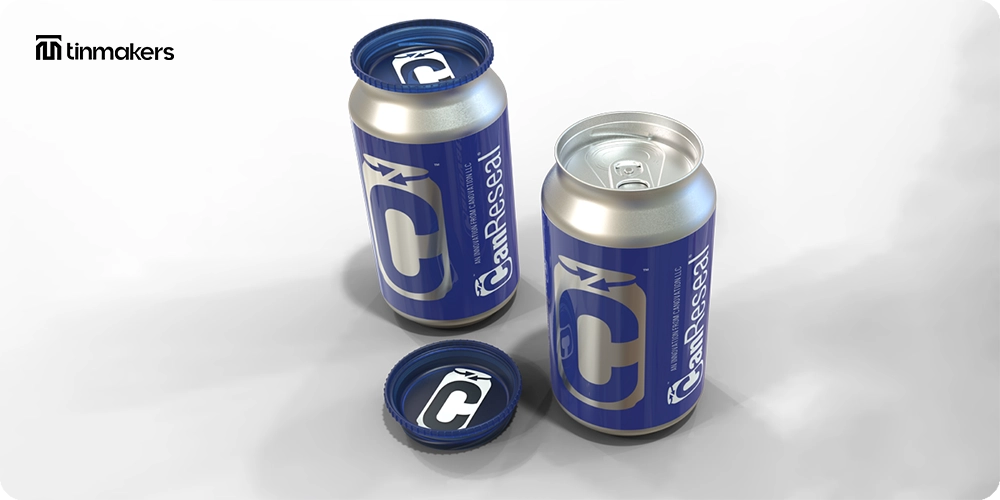
Standard pull-tab cans are single-use, yet twist-off aluminum bottles and snap-lid “Can-Cap” inserts give consumers a reseal option for functional drinks and cold brew.
Are all tins made from aluminum?
Most beverage cans in North America are aluminum, but tin-plated steel is still common for export markets and niche segments like condensed milk. The material choice depends on filling line setup and recycling streams.

Liam George Freeman
Liam George Freeman is a seasoned expert in the packaging industry, with a focus on delivering sharp, in-depth contributions that resonate with readers. His deep understanding of tin packaging and its expansion, the diverse types, and global impact, including its role in NASDAQ markets, makes him a true gem of a writer. Liam brings clarity and authenticity to every piece. When he’s not crafting compelling insights for the writer's desk, he will likely be found strategizing over a chessboard, always up for a thoughtful match.





Copyright © 2026 tinmakers. All rights reserved