



Tins vs Bags: Which One is the Better Packaging Option?
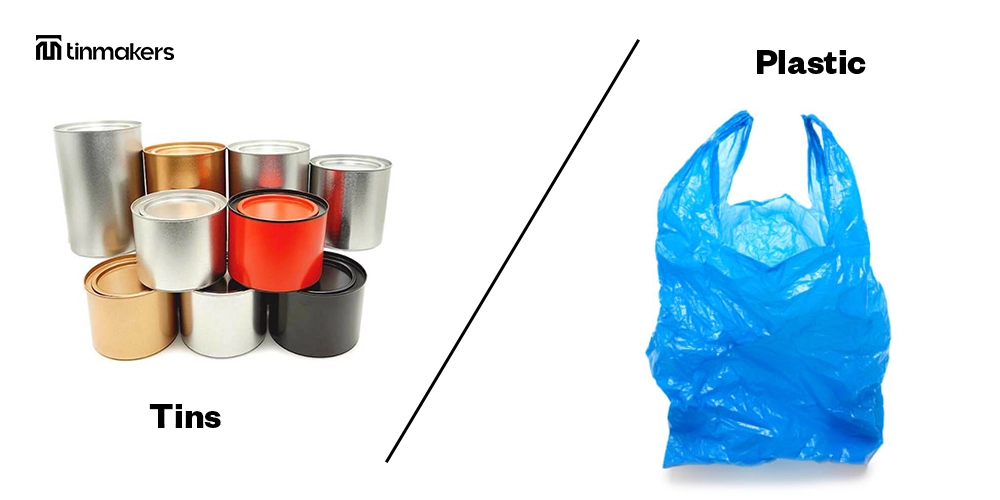
In the battle of tins vs bags, tins win clearly as they beat bags when you need tough protection, longer shelf life, and planet-friendly disposal. Their steel walls block air and light nearly completely, survive rough shipping, and recycle at a 70% rate, far higher than flexible plastic pouches.
Whenever you grab your favorite snack or pet treat, you consider two things. It's important that food tastes like it was just prepared, and empty bags should go in the recycling bin rather than the trash. Brands face the same pressure but at scale. They must keep coffee crisp across weeks of transport, wow shoppers on the shelf, and show real care for the planet.
It is usually only possible to choose between rigid metal tins and flexible plastic bags or pouches for most projects. Both hold chips, powders, teas, and even motor parts, yet they solve problems in very different ways.
We’ve written this blog that looks at those differences one challenge at a time. By the end, you’ll see why tins often pay for themselves through fewer leaks, richer brand feel, and genuine eco-credit despite a pouch's cheaper appearance on day one.
Comparison of Tins vs Bags - A Detailed Overview
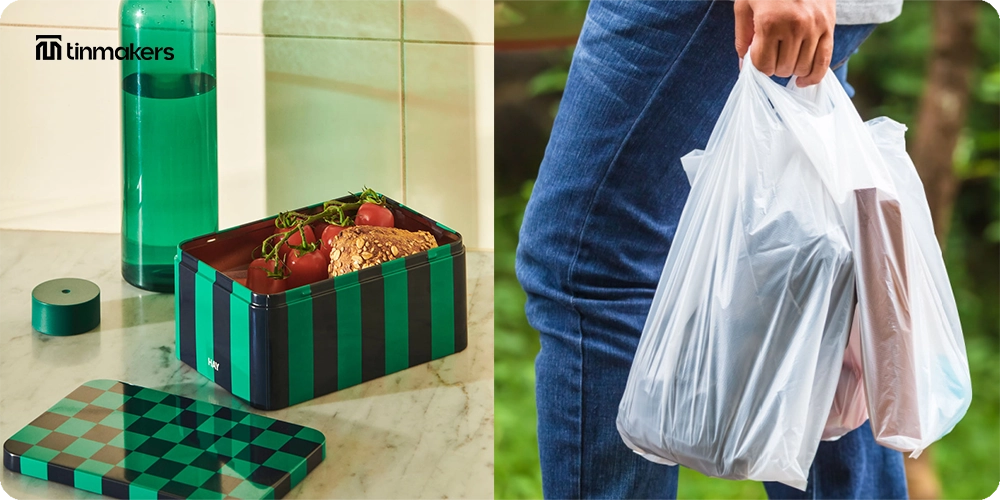
The tins vs. bags comparison is essential for any brand that is looking for the best packaging solutions for its products. This comparison determines the best packaging for any product based on several factors, including shelf life, sustainability, and durability.
Whether it's a tin or a bag, each has advantages that are customized to the product's needs and brand goals.
Here’s the comparison table:
Aspect | Tins | Bags |
Cost | Higher production and material costs | Lower unit cost, eco-friendly options costly |
Durability | High, withstands environmental conditions | Flexible, less durable, lightweight |
Environmental Impact | Fully recyclable, resource-intensive | Low impact if biodegradable, recycling varies |
Product Protection | Airtight, moisture-resistant, light-proof | Varies by material, less protective |
Shelf Life | Longer (e.g., 12-18 months for matcha) | Shorter (e.g., 3-6 months for matcha) |
Customization | Extensive (embossing, shapes, finishes) | Versatile but less flexible for premium designs |
Consumer Perception | Premium, luxurious | Convenient, modern |
Best Use Cases | High-end products (tea, coffee, cosmetics) | Dry goods, mass-market items |
Here’s the tins vs bags comparison in detail to help you understand easily.
1. Keeping Out Air, Light, and Moisture
Flavor’s biggest enemies are oxygen, sunlight, and water vapor. A tin (made from tin-plated steel or aluminium) forms a near-perfect shield. Its double-seamed ends pass vacuum leak tests that canned vegetables depend on.
Oxygen-transmission rate (OTR) for tinplate is effectively 0 cc/m²/day. Flexible bags need multilayer films (PET, EVOH, PE) to fight oxygen, yet even top-tier laminate lets 0.5 to 3 cc/m²/day seep through over 24 hours.
That slow drip may not ruin chips overnight, but it dulls roasted coffee and turns almonds rancid before the “best by” date. Heat-sealed seams on pouches add more weak spots; if a seam folds during filling, a hairline path appears that no one sees until taste tests fail.
Inside the tin, brand owners add food-grade epoxy or BPA-free polyester liners. These thin coats block metal ions, so tomato sauce stays bright red, and baby formula stays neutral in flavor. Pharma packs even use two-layer polyester-phenolic liners to stop chemical migration.
UV rays are the next villain. Tin’s opaque wall stops almost 100% of light. Bags use printed ink plus foil or titanium-dioxide layers. One scratch and light sneaks in, bleaching vitamins. Humidity tells the same story. Steel walls hold a vacuum; many pouches relax over time, letting moist warehouse air creep inside.
2. Surviving the Supply Chain: Drop Tests, Crush Loads, and Seams
Logistics is rough.
Lab studies from third-party test houses show that tins retain 95% of their vacuum integrity after a one-metre drop, while pouches slump to around 60%. Even when a tin suffers a deep side dent, the double seam rarely opens. In contrast, a pouch with a pinhole (too small to see) silently allows oxygen in, setting off mold growth days later on a retailer’s shelf.
Shippers stack tins four layers high on pallets without extra corner boards. Stacked pouches form unstable columns; loads shift, cartons bulge, and damage claims rise. There's more to this than an annoyance - a lost product can wipe out the price advantage of flexible film after a single spoiled batch.
The way a consumer opens a pack also matters. Tin lids pop with a ring-pull or twist-off motion and then reseal firmly. Zip strips on pouches clog with powder or sugar, leaving a sloppy, air-leaking fold. That poorly closed bag goes stale faster and fuels complaints on social media.
Especially in ecommerce channels, where boxes may drop six feet from drones, rigid formats provide peace of mind. In rough transit, tins are a safer bet until filmmakers come up with unbreakable seams.
3. Planet Scorecard: Recycling, Reuse, and Life-Cycle Impact
Steel is the most recycled packaging material on Earth. Flexible plastic ranks near the bottom.
Here’s the proof:
Metric | Value | Source |
Steel Can Recycling Rate (U.S., 2018) | 70.9 % | EPA (epa.gov) |
Plastic Packaging Recycling Rate (U.S.) | ≈ 13 % (across categories), dropping below 10% for films and pouches | U.S. Plastics Pact (usplasticspact.org) |
Energy Saved by Using Recycled Steel | 60 % less energy (vs. virgin steel) | |
CO₂ Spared by Using Recycled Steel | 1.5 tonnes CO₂ per tonne (vs. virgin steel) |
Steel is magnetic; material-recovery facilities capture it with a simple overhead magnet. Flexible bags are usually mixed layers of PET, PE, and aluminum. They jam sorters and end up in landfill even when a symbol says “recyclable.”
Steel keeps its quality forever. Metallurgists call it a permanent material. You can melt a tin into a car door, then melt that car into another tin. Plastic down-cycles into park benches and, finally, trash. Across 50 years, that closed loop turns into huge resource savings.
Plastic boosters argue that pouches weigh less and so cut freight emissions. Accurate, but life-cycle models show the emissions savings from higher recycling and lower food waste often wipe out the transport edge by a wide margin, especially for high-value foods with extended supply chains.
4. Brand Storytelling and Shelf Appeal: How Tins Win Hearts?
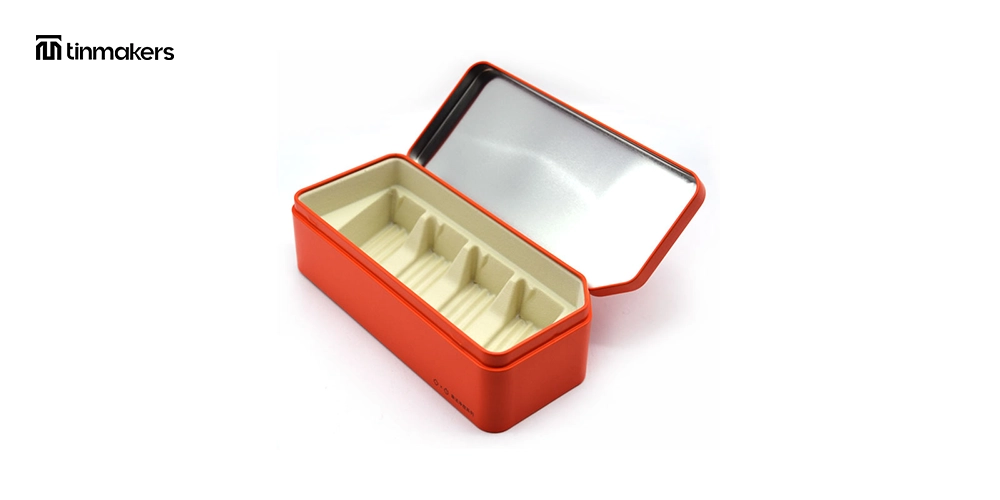
Shoppers judge a pack in three seconds. Tins grab attention because metal reflects light, stands upright, and feels premium in hand. A survey year showed that 90% of U.S. consumers are more likely to buy from a brand if its packaging looks eco-friendly.
Steel signals both durability and sustainability in one glance.
Print clarity: Offset lithography on metal holds 150 to 200 lpi screens; fine text stays tack-sharp. Film printing can blur at zip-tracks.
Special finishes: Embossing, debossing, matte-gloss spot coats, and metallic inks pop on tins. Pouches handle a few of those tricks without delamination.
Sound cue: The soft click of a lid-breaking vacuum is an audible quality signal that no pouch can copy.
Stackability: Cylindrical or rectangular tins build tidy towers, letting retailers create eye-level “billboard” blocks. Bulging pouches flop and hide labels when half-empty.
Reusable value adds more marketing muscle. A tea tin may live on as a candle mold or spice jar, giving the brand free ad space for years. Pouches almost never get that second life.
Cost can be controlled. Today’s ultra-light 0.18 mm tinplate and weld-seam cylinders use up to 30% less metal than legacy cans. Brands can wrap tins with paper labels for small runs, then move to printed metal as volumes grow, avoiding giant start-up mold costs.
Finally, tins handle premium line extensions with ease. Limited-edition colored lids, holiday embossing, or laser-etched serial numbers all roll off the same seamer with minor tweaks. Bags need new tooling and film laminations for each variation, eating budget fast.
5. Convenience and Reuse at Home: The After-Sale Advantage
A pack’s job isn’t done once it leaves the store. Parents, seniors, and kids all need simple, mess-free access. Here, tins shine.
Ring-pull ends open in one motion, and slip-lids reseal with an audible snap. You don’t hunt for scissors as you do with rigid laminate. A tin side wall stays stiff, so you scoop powder without collapsing the pack.
Zip strips on pouches clog with flour or pet food dust. When they fail, users roll the top and clamp it with a chip clip, which is hardly airtight. Stale cereal sparks complaints and refunds that erode gross margin.
Space saving matters too. A neat cylinder lines up like books; floppy bags scatter across pantry shelves. Steel’s stiffness may weigh more, but it pays back in tidy storage.
Tins appeal to crafters, becoming reusable items like paint brush holders or seed starters.
Reuse extends brand visibility, keeping your logo in homes and encouraging repeat sales.
When brands serve older consumers, tins also add safety. Sharp scissor cuts on film can slice fingers; tin edges today are rolled smooth, and tear-tabs face upward to avoid cuts. That small detail wins loyalty in age-care channels.
Taken together, tins turn an everyday package into a lasting household tool, raising perceived value without raising your ad budget.
Final Thoughts
Picking a pack isn’t only about material cost. Tins guard against oxygen, drops, rough roads, and pantry pests. They recycle at more than five times the rate of flexible bags and keep your branding alive long after checkout through reuse.
Flexible films still fit low-margin refills or single-serve samples where freight weight rules. Yet when you count food waste, damage claims, and growing consumer scrutiny, steel tins often lower total costs while lifting brand prestige.
If freshness, safety, and sustainability sit high on your checklist, it’s wise to give the rigid metal a hard look the next time you brief your packaging engineer. You can count on Tin Makers to deliver safe, affordable tin packaging solutions for your brand.
FAQs
Why do tins keep food fresh longer than bags?
Tin walls and double seams block almost all oxygen, light, and moisture. Most bags use plastic films that let tiny amounts of air seep in over time. Even a 0.5 cc/m²/day leak can dull flavors within weeks, while a sealed tin can protect flavor and nutrients for months or years.
Are steel tins safe from rust?
Modern food tins have a thin internal liner. If stored dry and intact, outside rust rarely spreads inside. Surface rust on the exterior is primarily cosmetic. However, if you see flaking metal near the seam, discard the tin because the airtight seal may be broken.
Do tins cost more to ship than pouches?
Yes, steel weighs more, so freight per unit is higher. But brands often save money overall, thanks to lower damage rates, longer shelf life, and strong consumer reuse that boosts word-of-mouth. The net effect can be positive, especially for premium or fragile goods.
Can flexible pouches ever be recycled curbside?
Few cities accept mixed-layer pouches. Most curbside programs rely on magnets, eddy currents, or optical sorters, and laminated films confuse all three. Unless a pouch uses a mono-material polyethylene film, it will likely end up in landfill or energy recovery.

Liam George Freeman
Liam George Freeman is a seasoned expert in the packaging industry, with a focus on delivering sharp, in-depth contributions that resonate with readers. His deep understanding of tin packaging and its expansion, the diverse types, and global impact, including its role in NASDAQ markets, makes him a true gem of a writer. Liam brings clarity and authenticity to every piece. When he’s not crafting compelling insights for the writer's desk, he will likely be found strategizing over a chessboard, always up for a thoughtful match.





Copyright © 2026 tinmakers. All rights reserved