



The Impact of Tin Packaging on Customer Perception and Product Value
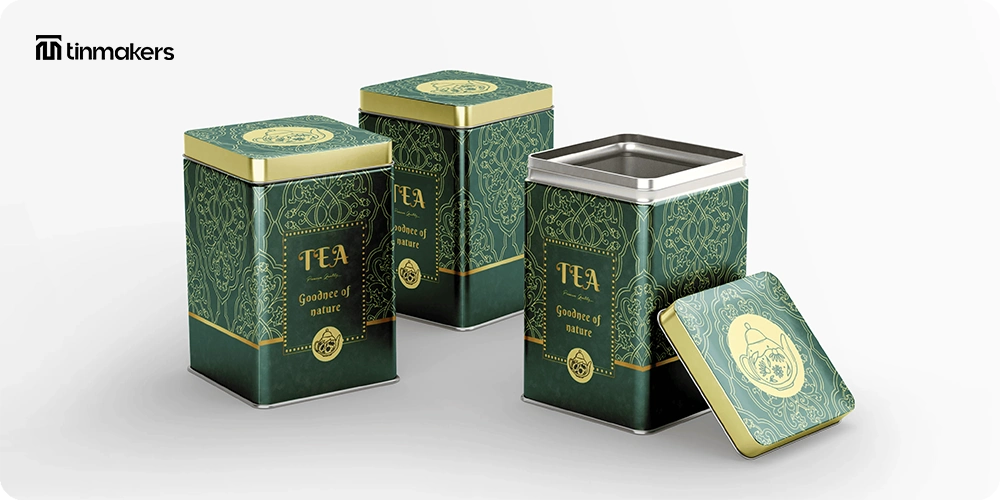
There is no second opinion about the supernatural power of product packaging influencing customers’ decisions about purchase. This decision influence isn’t random; it’s a combination of product packaging’s psychology, marketing, and design.
Here’s an example.
Think about the last time you bought holiday cookies.
Two brands were on the shelf: one in a thin plastic pouch, the other in a bright metal box you could keep long after the snacks were gone.
Which product did you choose?
Most shoppers, adults and kids alike, reached for the metal box first.
That clever choice hints at the power of tin packaging. A container can change how people feel about a brand and how much they believe the product is worth.
Businesses like yours can make the difference between being ignored and standing out on store shelves when they discover the connection between customer perception and product value.
Our objective in this article is to examine how tin packaging affects customer perceptions and product value.
Hence, it is advisable to read it all the way through to get the most useful information.
Key Takeaways:
Packaging strongly influences buying decisions.
Tin packaging signals quality and adds value.
First impressions from packaging matter greatly.
Tin evokes feelings of trust, safety, and nostalgia.
Tin protects contents, keeping them fresh longer.
Using a tin can justify a higher product price.
Tin is recyclable, appealing to green consumers.
What Is The Connection Between Customer Perception, Product Value, And Tin Packaging?
A consumer’s perception directly influences product value. What a customer believes a product is worth (Its perceived value) impacts their willingness to pay for it. It directly impacts a product’s success in the market.
Tin packaging significantly influences customer perception by conveying various qualities and associations, affecting their decision-making process. It suggests durability, quality, and brand identity and even evokes specific emotions.
The product value directly contributes to the choice and design of tin packaging. When we discuss higher-value products, they require more elaborate, aesthetically pleasing, and durable tin packaging. It ultimately reflects the product’s perceived value.
In short, metal tin packaging is not just a container; it’s a critical element in communicating the product’s value to the customer.
What Makes First Impressions Memorable in Tin Packaging?
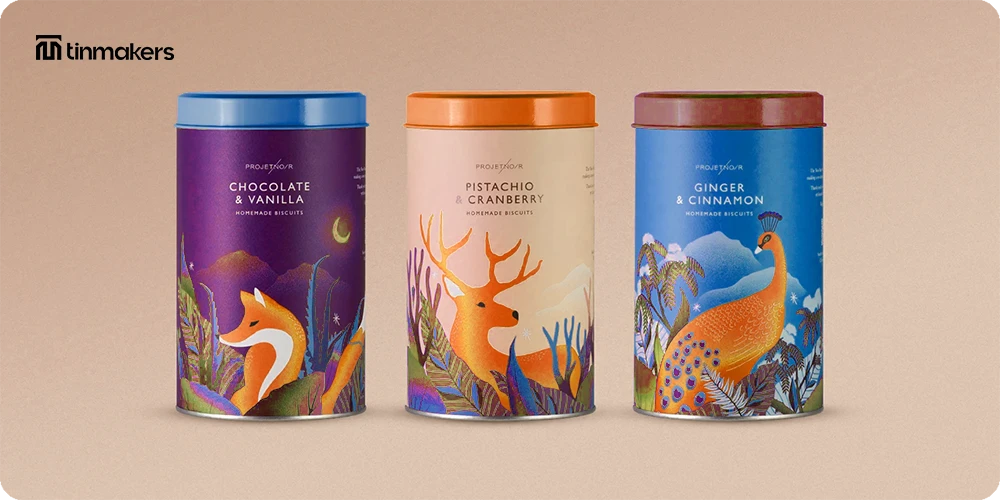
The tin packaging of a product should create a strong first impression by combining compelling visuals, consistent branding, and the ability to evoke emotional reactions from consumers.
Logos and color schemes that are consistent enhance recognition and encourage loyalty to brands. Unique designs, bold colors, and clear typography help products stand out and create brand loyalty.
When people see a smooth, lightly glossy tin in a store, the brain registers “quality” before the hands even touch the lid. Sight, sound, and feel work together. The solid feel of a firm lid, the cool metal surface, and the strong shape all tell buyers the goods inside are safe and special.
Approximately 72% of Americans believe that packaging design influences their buying decisions, and 67% say that the materials used for packaging also play a role. [Source: BusinessDasher]
Because the first seconds matter, brands that pay close attention to metal finishes, print quality, and lid fit often earn a “premium” label in the shopper’s mind before price even comes into view.
How Tin Packaging Shapes Customer Perception?
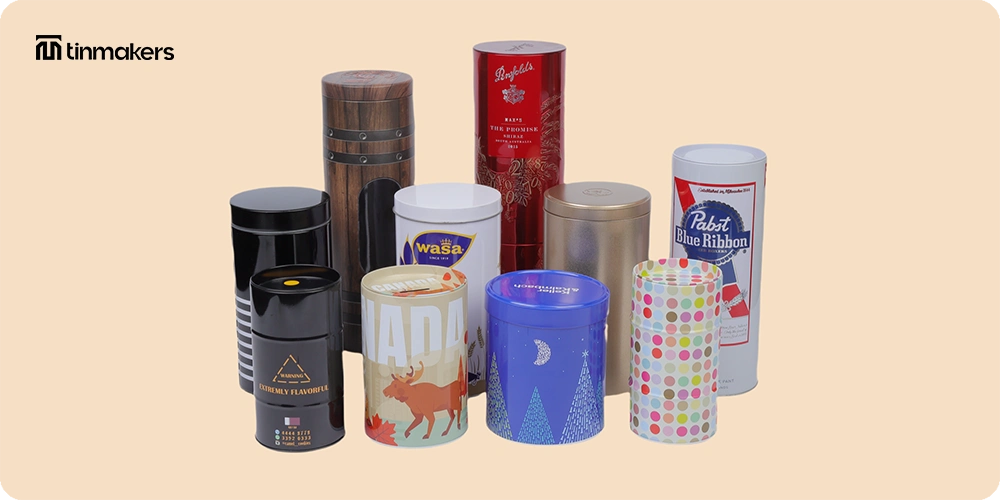
rust, safety, and nostalgia sit at the center of customer perception.
These emotions are evoked by consistent branding and quality packaging, resulting in a sense of trust and familiarity. Customer loyalty increases when they associate a brand with positive associations, which increases customer choice.
For example:
Parents reach for metal packaging when they buy baby formula or powdered drinks because the rigid walls keep light, air, and pests out.
Food retailers choose tin packaging for products like cookies and chocolates to maintain freshness and flavor longer.
Gift shops use metal tins for their durability and elegant look, which is highly suitable for presenting items like jewelry or candles.
Pharmaceutical companies choose tin containers for their ability to protect medication from light and moisture, ensuring the drug’s efficacy and stability.
Sustainability also feeds customer perception.
A recent U.S. survey posted on PRNewsWire showed 71% of adults picked products in the last six months simply because the pack seemed eco-friendly.
4 out of 5 steel cans still end up in landfills, yet steel ranks among the easiest materials to recycle once collected. [Source: The Recycling Partnership]
These numbers show why a move to metal can lift brand loyalty without changing the recipe inside. When reviewing tin packaging usage and stats, you will be able to clearly determine how tin packaging impacts customer perception.
How Tin Packaging Impacts Product Value?
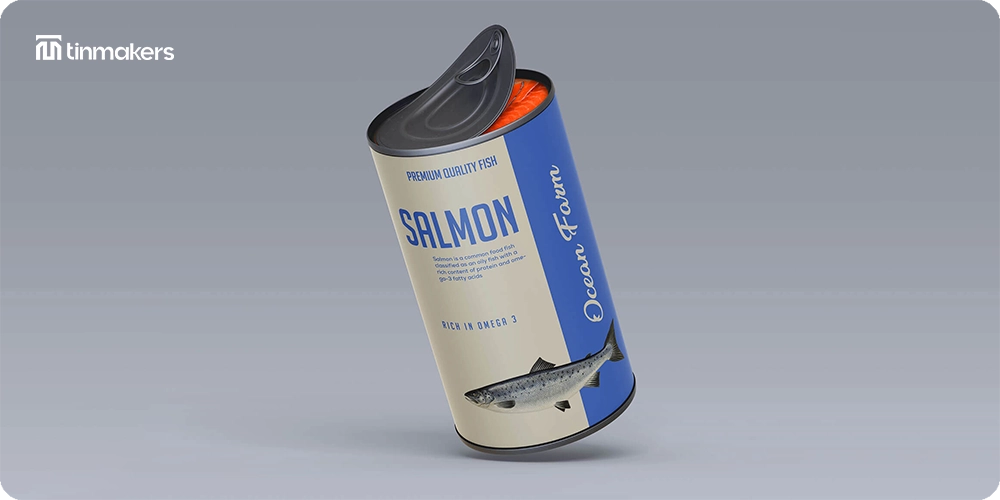
Tin packaging significantly enhances product value through multiple avenues.
Its inherent protective qualities ensure product integrity and extend shelf life by providing a strong barrier against light, humidity, and air.
For example:
Premium tea, skin balms, chocolates, and even small electronics lean on tin packaging to signal worth. A tall, matte-black cylinder for loose-leaf tea keeps flavors safe from light and smells luxurious on a kitchen shelf.
In beauty aisles, pocket-size lip salve tins become collectibles that friends share on social media. Candy makers slip pralines into heart-shaped tins and sell them as gifts rather than simple snacks.
When a consumer sees a package as part of the purchase (not just a wrapper), the perceived price ceiling rises. This change in perception allows a simple product to become cherished, increasing its value and justifying a higher price point.
Consequently, tin packaging becomes a strategic investment for brands seeking to increase their market presence and customer loyalty.
The Long-Term Value Proposition of Tin Packaging
Value Aspect | Short-Term Benefit (Initial Purchase) | Long-Term Benefit (Beyond Purchase) |
Brand Impression | Stands out on the shelf and looks high-quality | Builds brand loyalty, memorable packaging |
Customer Use | Protects product until opened | Reusable container extends brand presence |
Perceived Worth | Justifies the initial price point | Associated with lasting value, encourages keeping |
Environmental View | Seen as a more sustainable choice initially | Supports recycling efforts, positive brand image |
Final Thoughts
From baby formula to luxury candles, tin packaging keeps winning shelf space because it nudges customer perception toward trust, safety, and quality. The solid feel, the reassuring click of the lid, and the reusable body work together to raise product value packaging scores even before a shopper tastes, smells, or plugs in the item inside.
When you mix strong design, clear sustainability claims, and tight cost control, the payoff is a container that sells both the product and the brand story long after checkout. Therefore, tin packaging is an effective tool for brands that want to distinguish themselves in a crowded market. The use of packaging that complements a company's identity can lead to increased customer loyalty and increased sales.
Turn to Tin Makers now to buy all types of tin packaging for your products.
FAQs
Does metal really keep food fresh longer?
Yes. Tin-plated steel shuts out oxygen, light, and moisture better than paper or thin plastic, slowing staleness and oxidation. However, it’s essential to use food-grade (BPA-free) metal containers that are free from harmful chemicals.
How many design colors are possible?
Modern presses handle full CMYK and spot inks on metal just as on paper. Special effects (shiny, crackle, or soft-touch varnish) come with small surcharges after the base plates are made.
Can small businesses afford short runs?
Minimum orders once sat at 25,000 units, but niche suppliers now start near 3,000. Digital printing on tins also lowers plate fees, letting startups test ideas without risking a warehouse full of unsold stock.

Liam George Freeman
Liam George Freeman is a seasoned expert in the packaging industry, with a focus on delivering sharp, in-depth contributions that resonate with readers. His deep understanding of tin packaging and its expansion, the diverse types, and global impact, including its role in NASDAQ markets, makes him a true gem of a writer. Liam brings clarity and authenticity to every piece. When he’s not crafting compelling insights for the writer's desk, he will likely be found strategizing over a chessboard, always up for a thoughtful match.





Copyright © 2026 tinmakers. All rights reserved