



7 Best Ways to Reuse Tin Cans
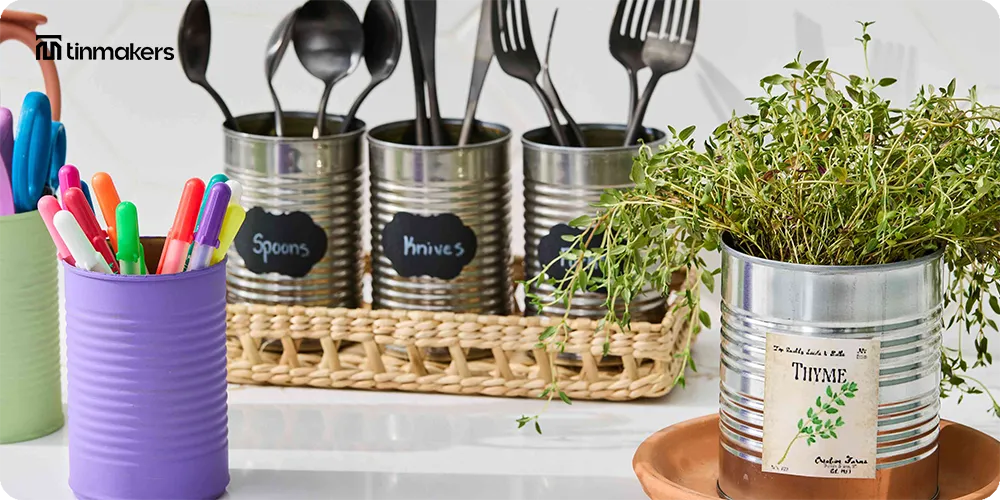
Steel food cans are everywhere: soup at lunch, beans at dinner, and paint in the garage.
Once emptied, they usually head for the bin, yet each can is a strong, food-grade mini cylinder made to last. Throwing away this metal is a waste of material and energy.
It can be a great starting point for dozens of handy projects.
In this article, you’ll see 7 smart, hassle-free ways to give cans a second life at home, at school, or on the trail.
Every idea fixes a small problem: cluttered desks, pricey planters, risky candles while teaching kids and adults that reuse beats disposal.
Let's keep good steel in service. Grab a smooth-edge can opener and a bit of sandpaper, and let's keep it in service.
1 - Turn empty cans into herb and flower planters
A soup can hold roughly one pint of potting mix, ideal for basil, chives, or marigolds.
Punch three drain holes in the base with a nail, line the bottom with pebbles, and fill with fresh mix.
Paint the outside or wrap it in jute for charm.
Because metal heats quickly, place planters where they catch morning sun but afternoon shade. Water slowly so roots don’t sit in puddles.
Herbs grown on a kitchen shelf travel inches, not miles, from farm to fork. It trims grocery bills and food miles.
2 - Tidy your workspace with tin-can organizers
It is an interesting reuse of metal tin cans.
Scissors jammed in drawers and stray pens vanish when each tool has a labeled can.
Here’s how you can make a tin-can organizer to overcome this issue:
Step 1 - Group three cans of equal height
Step 2 - Wrap them in scrap fabric
Step 3 - Now, glue them to a piece of wood for a spinning caddy
Now you have a perfect tin-can organizer.
Taller cans keep paintbrushes upright, while short tuna cans sort paper clips.
Add magnetic tape inside the rim to grab pins. Steel’s weight stops the holder from toppling, while the narrow shape keeps clutter from spreading.
Spraying the cans with a matte clear coat seals artwork and prevents rust even in humid craft rooms.
A recycling report notes that making products from reused steel saves up to 74% of the energy needed to process virgin ore. (Source: Recycle-More)
3 - Make tin-can lanterns for cozy lighting
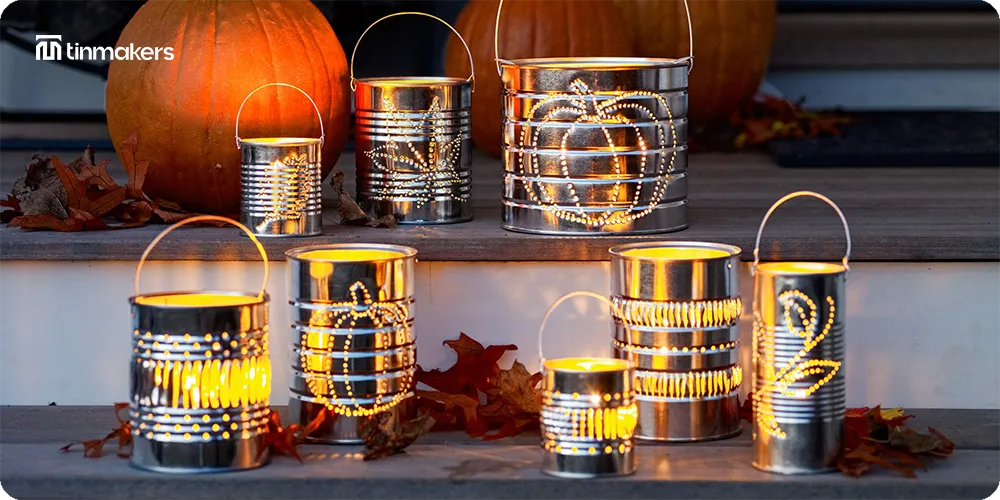 It's a fun and eco-friendly way to make cozy lanterns with tin cans as a DIY project. When an area is lit with lanterns, it will feel more intimate and welcoming because they emit soft, diffused light.
Step 1: Prepare Your Can
Fill an empty and clean tin can with water, leaving a little space at the top.
Step 2: Freeze It Solid
Place the can in the freezer until the water is completely frozen. The solid ice will provide support and prevent the can from denting during the next step.
Step 3: Punch Your Pattern
Using a hammer and a nail, carefully punch holes into the side of the can. You can create any design you like, such as stars, leaves, or a simple random pattern.
Step 4: Enhance the Glow
For a brighter and more reflective interior, spray paint the inside of the can with a coat of white paint. Allow it to dry completely.
Step 5: Light It Up
Place a tealight candle inside the finished lantern.
Step 6: Safely Enjoy the Ambiance
Position your new lantern on a fire-safe surface and enjoy the beautiful dotted light patterns it casts.
Hang several lanterns along a patio string for mood lighting that costs almost nothing and keeps single-use décor out of landfills.
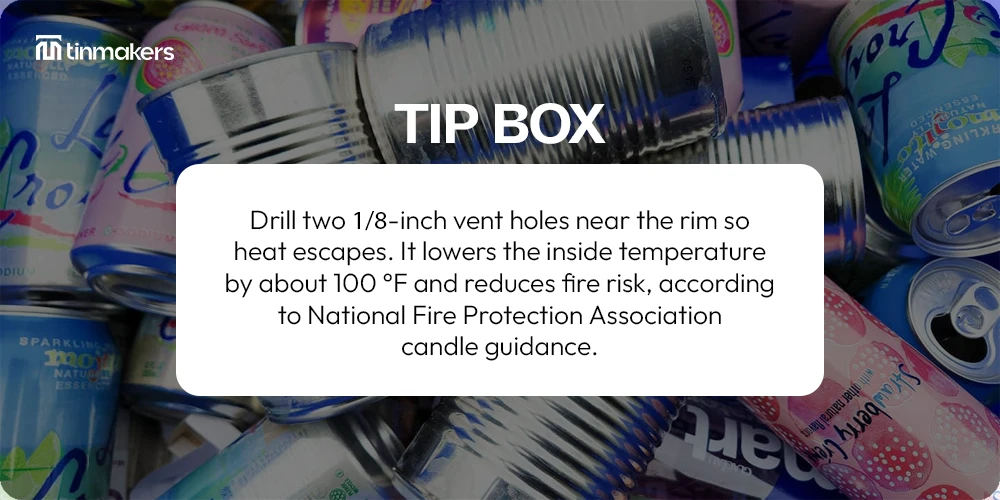 (Source: nfpa.org)
4 - Store spices and dry goods in a zero-waste way
Small-diameter cans fit neatly on narrow shelves and shield food from light, slowing nutrient loss. After washing, dry the interior thoroughly to prevent rust. Line with baking parchment if you mind metal contact. Pop-top lids act as measuring scoops; simply bend the ring into a handle.
Label each can with painter’s tape so ink changes are easy. Using refill bags instead of brand-new jars lowers packaging waste, and steel is accepted by nearly all curbside programs when a can finally wear out.
The US Recycling Infrastructure Assessment (2024) found that standardized metal containers improve material recovery rates by 15 %. (Source: epa.gov)
5 - Fun kids’ projects: drums, robots, and games
A coffee-tin drum needs only a balloon stretched over the top and rubber bands to hold it tight; tune it by tightening the bands. Two equal cans and a length of string become classic “tin can telephones” that teach sound physics.
Glue buttons, bolts, and bottle-cap eyes on a can for a quirky desk robot; fill it with marbles to double as a shaker. Each craft boosts fine motor skills and shows kids how everyday waste can fuel play. Use non-toxic paint and supervise any hot-glue work.
6 - Build a portable stove and survival kit
Using reusable tin cans to build a portable stove is an eco-friendly, clever way to prepare for emergencies. These camping stoves weigh little and burn twigs instead of canisters.
Here’s how you can do it:
Cut a door in the outer can for fuel and punch vent holes around the base
The inner can support a small pot
Always burn outside on stable ground and keep water nearby
Include rolled bandages, matches, and a whistle inside a spare can wrap in duct tape, an instant rugged kit that withstands crushes.
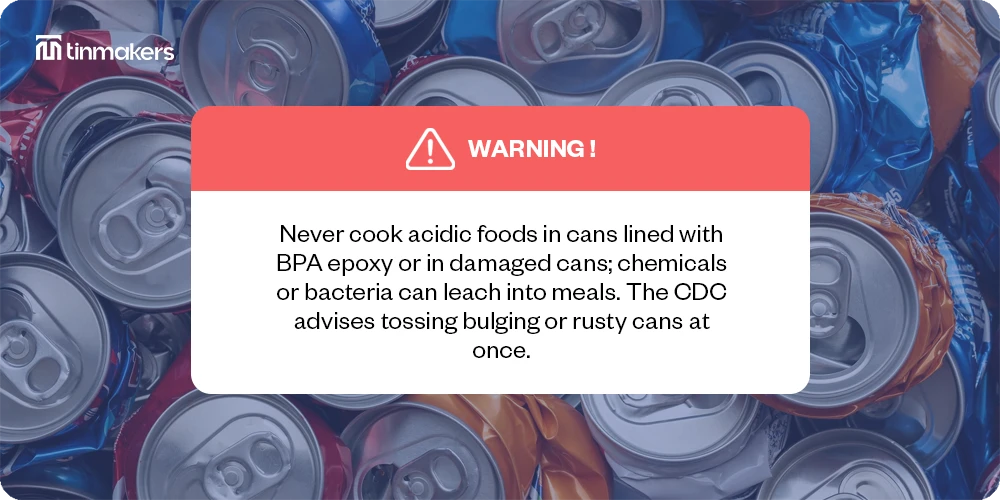 (Source: stacks.cdc.gov)
7 - Feed backyard birds and water seedlings
Bird feeding has a deep emotional value. It fosters a connection with nature, improving mental health and potentially influencing conservation efforts. And the interesting thing is that you can do it with used tin cans.
Loop string through a can, spread peanut butter inside, roll it in birdseed, and hang it under a branch. Wrens and finches will empty it fast. For water, punch pin holes near the bottom to make a gentle “rain can” that won’t uproot seedlings.
Metal worms in the sun, so refill with cool water mid-day. Reusing cans outside diverts wildlife-unsafe plastic mesh feeders and reduces microplastic sheds. Clean feeders weekly with hot, soapy water to cut disease spread between birds.
FAQs
Can I reuse tin cans that once held paint or chemicals?
No. Residues from solvents can linger even after scrubbing. Use only food-grade cans for projects that touch edible plants, skin, or fire-cooking gear. Save chemical cans for non-contact storage like bolts or garden stakes.
How do I stop cans from rusting outdoors?
Coat the outside with rust-inhibiting primer, then finish with exterior enamel. Keep drainage holes clear so water doesn’t pool inside. A yearly wipe-down and touch-up paint keep planters and bird feeders sound.
What tool smooths sharp rims best?
A fine metal file or 220-grit sandpaper rounds edges in seconds. For bulk work, a deburring tool (found in hardware stores) gives the cleanest finish and lowers cut risk for kids.
When should reused food can finally be recycled?
Recycle once the metal thins, dents deeply, or shows pitting rust. At that point, the can’s strength is compromised, and steel mills can remelt it into brand-new cans within weeks.

Liam George Freeman
Liam George Freeman is a seasoned expert in the packaging industry, with a focus on delivering sharp, in-depth contributions that resonate with readers. His deep understanding of tin packaging and its expansion, the diverse types, and global impact, including its role in NASDAQ markets, makes him a true gem of a writer. Liam brings clarity and authenticity to every piece. When he’s not crafting compelling insights for the writer's desk, he will likely be found strategizing over a chessboard, always up for a thoughtful match.





Copyright © 2026 tinmakers. All rights reserved