



7 Essential Cannabis Tin Packaging Safety Tips
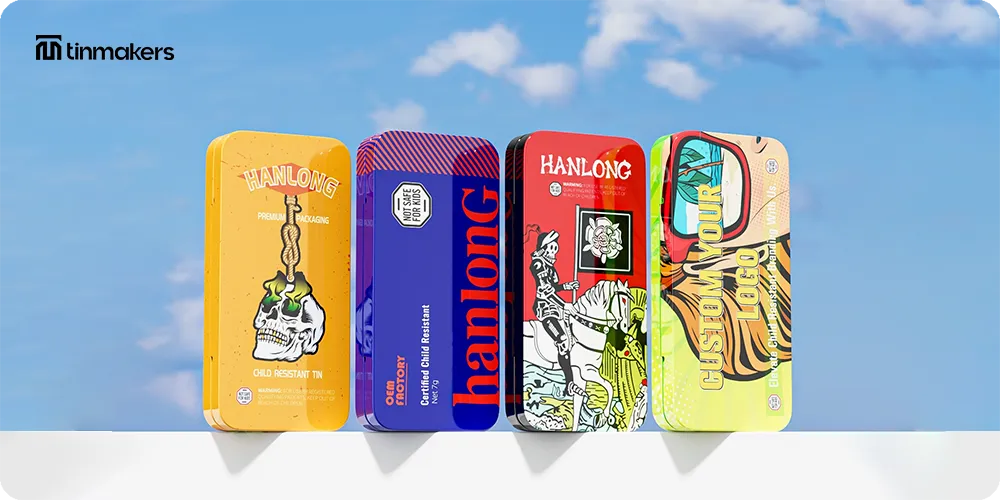
Legal cannabis sales keep climbing, yet poison-control centers in North America now log dozens of accidental edible calls every single day.
One study in Pediatrics reports that emergency room visits for children under five tied to cannabis products jumped more than 1,300% between 2017 and 2022.
The problem is not the plant; it is the package.
A tin that looks sleek on a dispensary shelf can either stop curious little hands or turn into an easy-open snack box. The combination of moisture, heat, or sloppy labeling leads to stale gummies, weak flowers, and unhappy regulators.
This article walks growers, brand owners, and parents through proven cannabis tin packaging safety tips. These tips are rooted in U.S. safety law and recent lab research to keep tins truly secure from the warehouse to the living room.
Read on to learn how the right metal, seal, label, and storage habit can prevent illness, protect terpenes, and build trust with every pop of the lid.
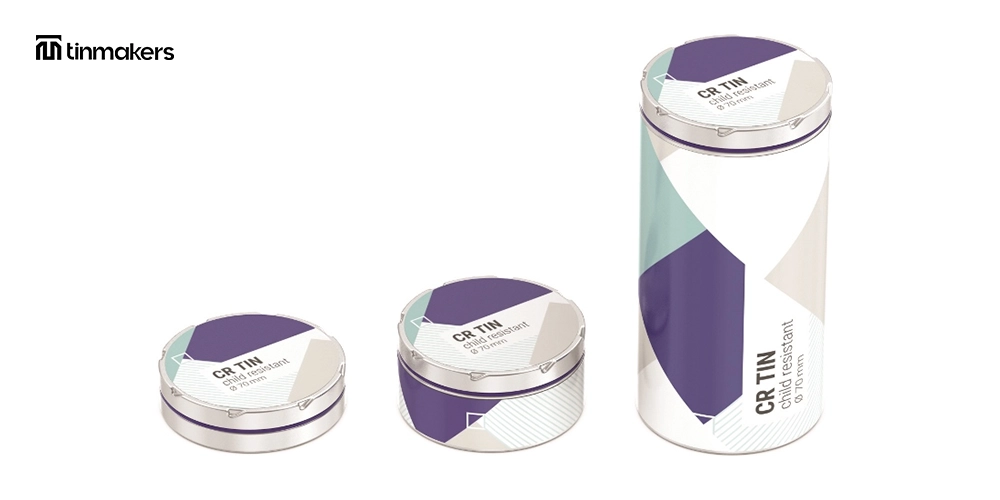
1) Choose Tins Certified Child-Resistant
Young children find cannabis products highly appealing, especially edibles because they often resemble everyday items like candies or baked goods. There is something visually appealing about tin packaging or even the way it looks like a toy box.
Child-resistant (C-R) status is the gold standard in cannabis safety. With its presence and clear warning labels, it encourages consumers to properly store and handle cannabis products, particularly in households with children.
Under 16 CFR § 1700.20, the U.S. Consumer Product Safety Commission tests packages with panels of fifty children aged 42 to 51 months. To pass, at least 85% of kids must fail to open the container in five minutes, and 80% must still fail after a ten-minute demo.
Despite hidden spring tabs, push-and-turn cams, or slide locks, tins are still easily opened by adults with arthritis within seconds.
By picking verified tins, cannabis brands lower recall risk, meet every state rule out of the gate, and reassure parents that safety is not left to chance.
2) Seal Out Air, Light, and Odor for Product Integrity
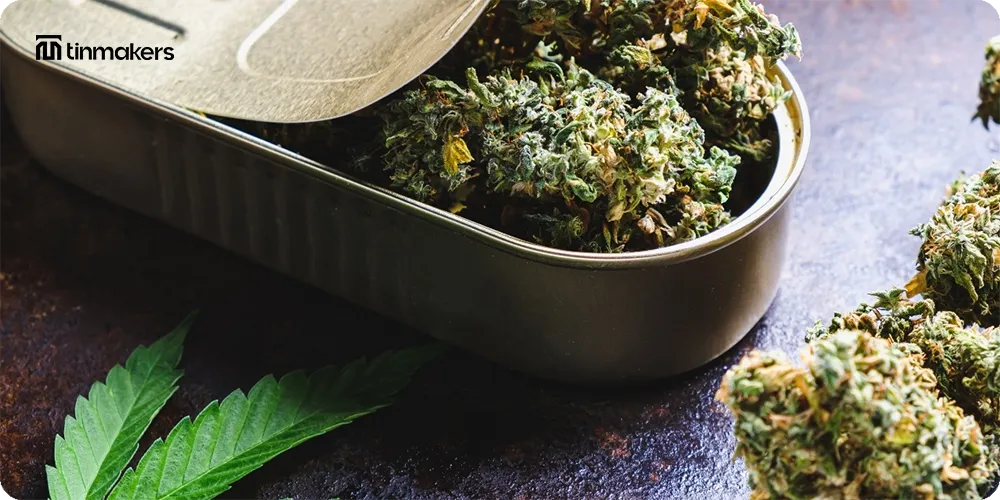
Do you want to preserve the potency and quality of your cannabis products? If yes, then a tight seal does more than trap the smell. It protects cannabinoids and terpenes that give cannabis its flavor.
Here are three lines of defense that do the job:
Airtight gasket: FDA-approved silicone rings drop internal oxygen below 2%, slowing THC oxidation.
Opaque metal wall: Steel or aluminum blocks UV rays that strip potency.
Odor barrier: Double-walled lids or charcoal liners lock scent so police dogs (and nosy neighbors) stay unaware.
Some processors fill tins with nitrogen before sealing; the soft hiss you hear when opening is harmless gas escaping, proof of a factory-fresh pack.
The airtight design also cuts mold. Flower stays in the sweet spot, crisp but not bone-dry, while gummies avoid the rock-hard shell left by moisture loss.
Remember, smell control is a legal shield, too. Several states still let police search vehicles if cannabis odor is “plainly detectable.” Reduce that odor, and you reduce traffic stops that turn into seizures.
3) Use Food-Grade, Non-Leaching Liners and Coatings
The inside of a tin touches cannabis all the time, so coatings matter.
A food-grade, non-leaching liner and coating should be used in cannabis tin packaging to ensure product safety and maintain quality. In this way, the purity of the cannabis is preserved, and chemical leaching is prevented, stopping consumers from being exposed to harmful substances.
Reputable tin packaging suppliers like Tin Makers spray food-grade epoxy or BPA-NIA resins that comply with FDA rules and regulations. These finishes stop iron and tin ions from reacting with acidic gummies or fruit chews.
For high-fat edibles like infused chocolate, ask for a migration test report showing chemical transfer stays below EU 10/2011 limits. In general, the overall migration limit (OML) is 10 mg per square decimeter of material or 60 mg per kilogram of food.
Often, cannabis tins have a micro-perforated disk for holding a humidity pack, which keeps relative humidity between 55 and 62%, a range that keeps mold at bay while preserving sticky trichomes.
You can store CBD products in uncoated metal if you slip them in a food-safe liner bag, but coatings will prevent rust rings and extend shelf life.
4) Temperature and Humidity Control During Storage
Temperature and humidity are critical factors that directly influence the quality of cannabis products. A high-quality strain of cannabis provides accurate and reliable potency to achieve the effects consumers wish to achieve.
The best tin still fails if left in a hot van. Keep cannabis between 60 and 75 °F and under 65 percent relative humidity.
Here are some key checkpoints for keeping cannabis tins in different areas:
Warehouse: Palletize cartons at least four inches off the floor and away from south-facing windows.
Retail backroom: Store tins far from HVAC vents and water heaters. Sudden warm blasts cause “tin sweat,” tiny droplets that invite mold.
Home: Suggest customers place tins in a small lockbox inside a bedroom closet, not in a steamy bathroom or sunny kitchen cabinet.
Shipping in summer?
Add reflective thermal liners or cold packs, label cartons “Temp Sensitive - Do Not Leave on Dock,” and instruct carriers to hold pallets in climate-controlled trailers.
Remember that temperature swings, not just sustained heat, degrade THC. If buds tumble from 50 °F to 90 °F and back all day, potency drops faster than a steady 80 °F.
Most manufacturers place the humidity indicator card inside larger containers to help warn about moisture levels. It is cheap and easy to use. If the dot on the card turns pink, it means the humidity got too high. This allows you to separate the batch before the mold starts to grow.
In short, proper storage keeps everything good without anyone noticing because nothing gets spoiled.
5) Label Clearly for Age Restriction and Dosage
The importance of clear labeling for age restriction and dosage can’t be overlooked for cannabis products.
Here’s is how:
Children benefit from age restrictions information
Proper dosage instructions prevent adverse health effects
Labels save lives and bank accounts. Labeling errors can have serious consequences, including accidental ingestion by minors or overdosing due to unclear dosage instructions.
In addition to health risks, these practices expose companies to legal liabilities and potential financial losses. It can also undermine consumer trust and damage a brand's reputation.
Here’s how you can add this information on cannabis tin packaging:
“KEEP OUT OF CHILDREN’S REACH” in all caps
The universal cannabis symbol (leaf + exclamation mark) on the lid and side
TOTAL THC in large type, then a smaller line for mg per serving
Many compliance officers now scan tins with handhelds to pull up a QR-linked Certificate of Analysis. Include batch ID in both text and QR code so the link never breaks.
Font size matters. Colorado, Oregon, and Michigan all set a minimum 8-point type for dosage lines. Anything smaller can trigger a recall, even if the numbers are correct. For concentrates, add a “high potency” flag if THC per serving tops the state cap.
Color-blind readers need help, too. Pair red or black warning icons with a thin white border so the shape stands out. Using braille for “THC” and “Keep Out of Reach” is optional but a strong goodwill move that costs pennies per lid.
Clear, honest labels keep regulators calm, prevent overconsumption, and show customers you value transparency over hype.
6) Optimize Tin Size and Portioning to Avoid Overconsumption
A giant tin feels premium, yet it pushes casual users to finish “just one more” gummy. Right-sizing fights that urge and helps shoppers track intake:
Edibles: If state law caps packages at 100 mg THC, design cannabis tin packaging that fits exactly ten 10 mg chews. Smaller cavities keep pieces from rattling, which can crush sugar coatings.
Flower: Eight-ounce “party” tins tempt heavy use. Offer 1 g, 2 g, and 3.5 g (eighth) options so new consumers can pace themselves.
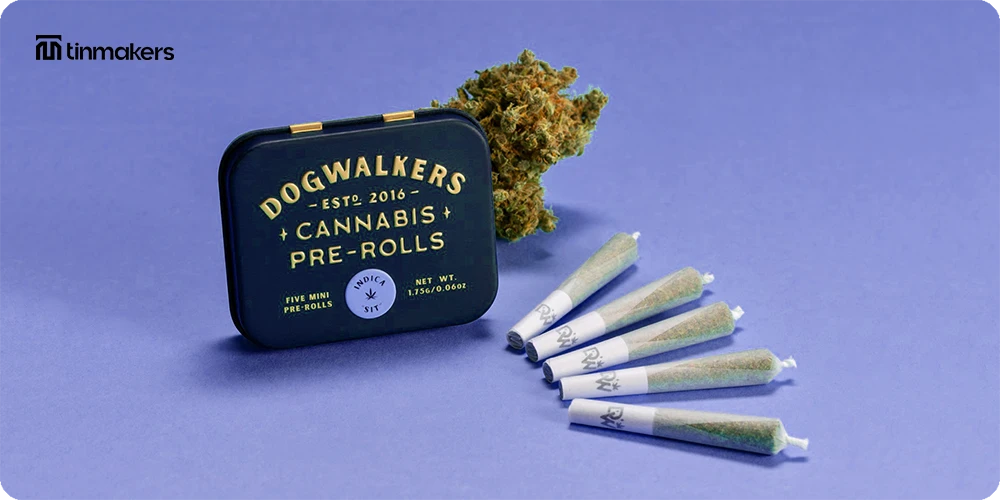
Pre-rolls: Slim, certified tins like those from CRATIV hold five mini-joints, each about 0.35 g. They slip into a pocket and meet child-resistant rules without clunky caps.
Segmenting also guards freshness. Some tins include an inner divider: one side stores edibles, and the other holds the humidity pack. Every time a user opens the edible side, air hits only a small portion. You have a double shelf life without fancy gear.
Emboss a simple dosing chart on the lid:
1 piece = Light
2 pieces = Medium
3 pieces = Strong
That chart costs nothing and steers buyers away from accidental couch-lock. Parents often tell poison-control nurses that they ate more because they “didn’t feel anything yet.” A chart sets clear expectations and reduces panic calls.
Finally, match the tin height to the product. Deep tins invite extra headspace, more air, faster staleness. A shallow, snug fit keeps oxygen low and stops fragile chocolates from flipping.
7. Sustainable Disposal and Recycling Protects Kids and Pets
A finished tin can still smell like a skunk. Wildlife, dogs, or toddlers rummaging through trash find the scent irresistible. Encourage customers to kill that odor and recycle:
Scrape and rinse: Hot water removes sticky resin, sugar, and crumbs.
Remove labels: A two-minute soak loosens adhesive and guards privacy.
Flatten where possible: Some hinged tins crush flat; this dulls sharp edges and saves bin space.
Recycle curbside: Steel and aluminum recycle endlessly without losing strength.
Dispensaries can sweeten returns with a penny or store credit per tin. Closed-loop programs let processors melt old tins into new ones, cutting carbon and raw metal costs.
Safe disposal also stops pets from THC poisoning. Dogs process THC differently and can suffer tremors, vomiting, or worse. The ASPCA lists cannabis as a top-ten call reason for pet poison hotlines. By teaching customers to deodorize tins, brands show they care about four-legged family members, not just sales.
Remember federal law: interstate cannabis transport remains illegal. Even trace resin on a recycled tin can raise eyebrows in non-legal states. A quick rinse and label removal erases most residue and keeps recycling streams lawful.
Final Thoughts
Safety is not a single step; it’s a chain. Start with a certified child-resistant tin, line it with food-grade coatings, seal out air, control storage climate, print honest labels, size portions wisely, and guide buyers on disposal.
Each link supports the next. Break one, and risks multiply. Kids find edibles, terpenes fade, fines land on your desk.
The good news?
None of these measures require rocket science or huge budgets. They call for steady habits and trusted suppliers. When brands treat packaging as a guardian rather than a wrapper, customers feel it.
They remember the tin that stayed fresh, locked tight, and spelled out dosage in plain words. Do that, and you earn loyalty long after the last gummy is gone.
FAQs
Why do regulations focus on child-resistant tins and not jars?
Jars often rely on twist lids that toddlers can grip. Tins hide locks under sliding plates or push tabs, which small hands cannot coordinate. Metal also resists shattering, so broken glass never enters the safety equation.
Is child-resistant the same as child-proof?
No package is foolproof. C-R certification only proves that most kids under five cannot open it within test limits. Always store tins up high or in a locking box for an extra barrier.
How long does a humidity pack last inside a flower tin?
Expect two to three months under regular home use. If the pack feels stiff like a cracker, swap it; it can no longer balance moisture, and buds may dry out or mold.
Can I reuse a cannabis tin for homemade edibles?
Yes, if you wash it with warm, soapy water and the interior coating is food-safe. Keep in mind the child-resistant mechanism may weaken after many cycles; check it before relying on it around kids.
What must appear on a cannabis tin label in most U.S. states?
You need the universal cannabis symbol, age warning, total THC, net weight, batch ID, and a contact or QR link to a lab report. The font must be at least eight points, and the label cannot make health claims.

Liam George Freeman
Liam George Freeman is a seasoned expert in the packaging industry, with a focus on delivering sharp, in-depth contributions that resonate with readers. His deep understanding of tin packaging and its expansion, the diverse types, and global impact, including its role in NASDAQ markets, makes him a true gem of a writer. Liam brings clarity and authenticity to every piece. When he’s not crafting compelling insights for the writer's desk, he will likely be found strategizing over a chessboard, always up for a thoughtful match.





Copyright © 2026 tinmakers. All rights reserved